Have Reviews Kept Up With Modern Games?
Modern games offer increasingly varied experiences, but review deadlines remain fixed. Should reviews do more to explain the circumstances behind a verdict?
By Simon Rogers
Any fan of the Like a Dragon series knows how much content it hides. The games feature huge open worlds, seemingly endless side quests, and main stories that slowly unfold through intense cutscenes.
Ryu Ga Gotoku Studio director Masayoshi Yokoyama said in an interview that he wanted players to "engage with the game as they would with a TV drama, watching for two, three hours a day...". He also acknowledged that you could finish the main story in under a week if you ignored the side stories and didn't sleep, but advised, "please enjoy the game bit by bit, without losing any sleep".
Masayoshi had his own recommendation for how the game should be experienced, but what happens when a reviewer's deadline contradicts it, forcing them to play in a way they didn't recommend?
When Deadlines Shape the Experience
Players' freedom in how they approach Like a Dragon is one of its biggest strengths. With so many side stories and mini-games, you can ignore the main content for a long time and still enjoy the game consistently. It almost feels designed around virtual tourism, letting you immerse yourself in a Japanese city for as long as you want and return to the main story at your own pace.
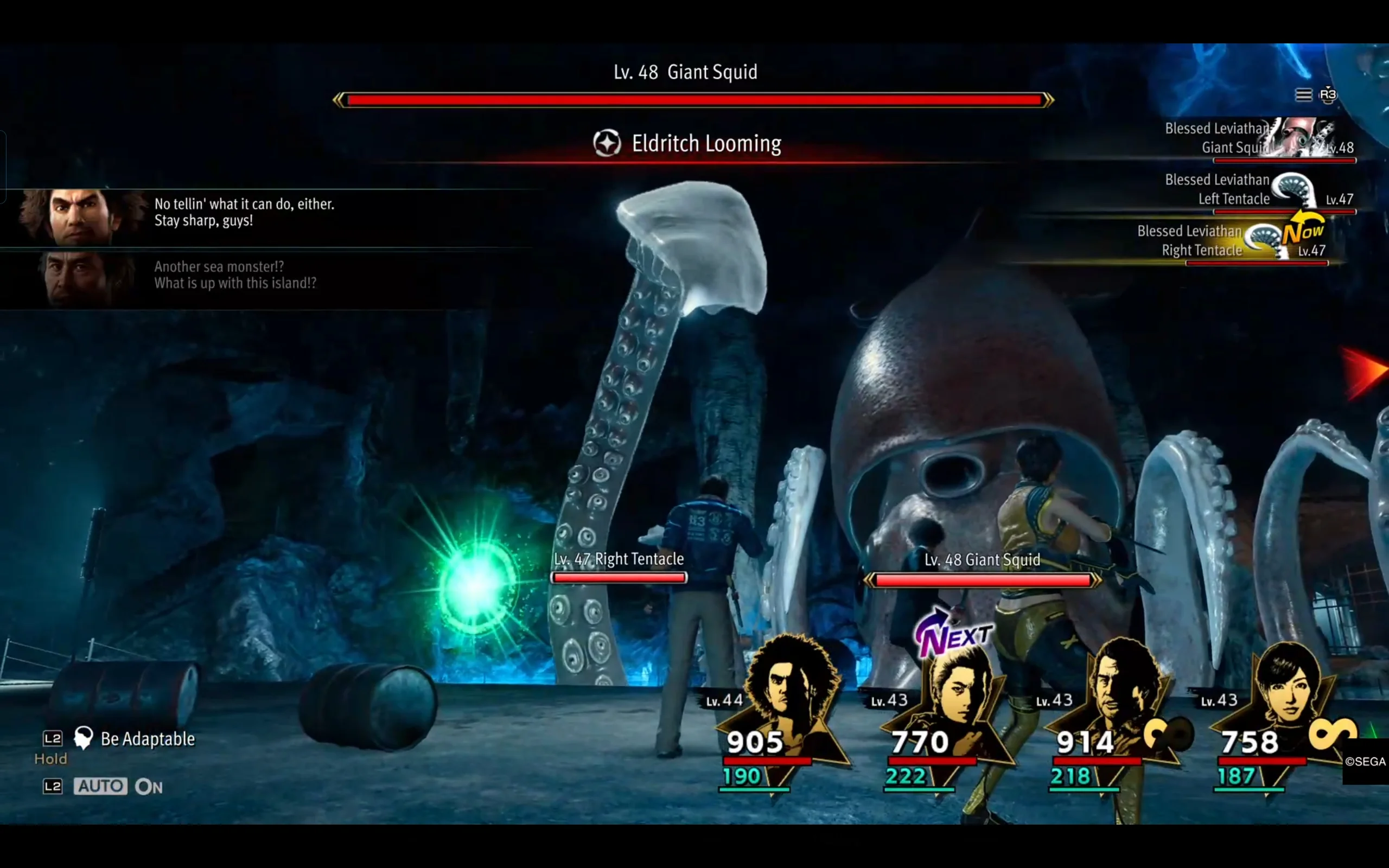 Some reviewers may miss this aspect because exploration can take time that might be needed for story progression or writing the review. Regular players can spread the game over weeks or even months, alternating between multiple games, whereas a game this large may force reviewers to focus primarily on one game.
When deadline pressure forces play under conditions at odds with the game's design, it can make the game less enjoyable for the reviewer and potentially alter their final verdict. Other players may then be swayed by the verdict of a reviewer whose playstyle doesn't reflect their own.
A player who enjoys slow, thorough exploration may find satisfaction in areas a reviewer under pressure finds tedious. This difference can go unacknowledged, yet it could impact how useful a verdict is to a reader because the two of them can experience the same game mechanic differently.
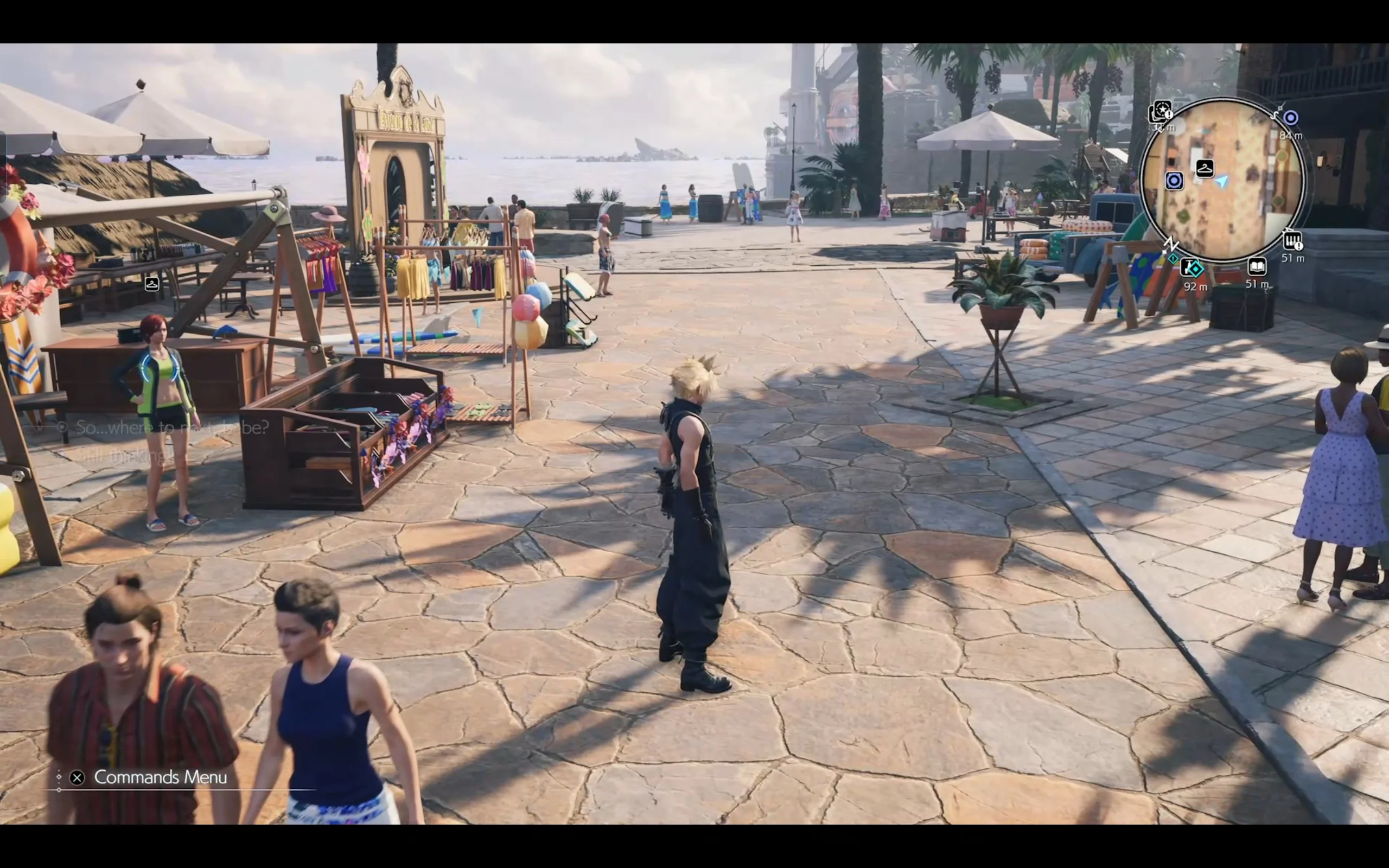 Working toward a fixed deadline can also come at the cost of how much content a reviewer can experience. A casual player in a large game may choose to engage in minimal side content, while a completionist may aim to tackle it all. Meanwhile, a reviewer may have this decision made for them based on their timeframe or review conditions.
Imagine being obligated to complete all side content. This could sour your overall verdict, while not being able to access enough of it could mean missing important story or lore. This information gives readers context, letting them decide how relevant a reviewer's assessment is based on their playstyle.
When Reviews Become Outdated
Readers may not know or consider the conditions under which a reviewer plays, perhaps assuming they don't matter when, in reality, they could. Time played, the game's build version, the publication deadline, and even the reviewer's personal preferences can all matter.
In recent years, knowing a game's build version has become increasingly relevant. For example, Crimson Desert has changed significantly since release. Multiple reviewers criticised an odd design choice where there were initially no storage chests, so players had to regularly sell or discard items to avoid getting overloaded. Patch 1.00.03 quickly reversed this by adding storage chests just four days after launch, but by then, it was already a common criticism in reviews.
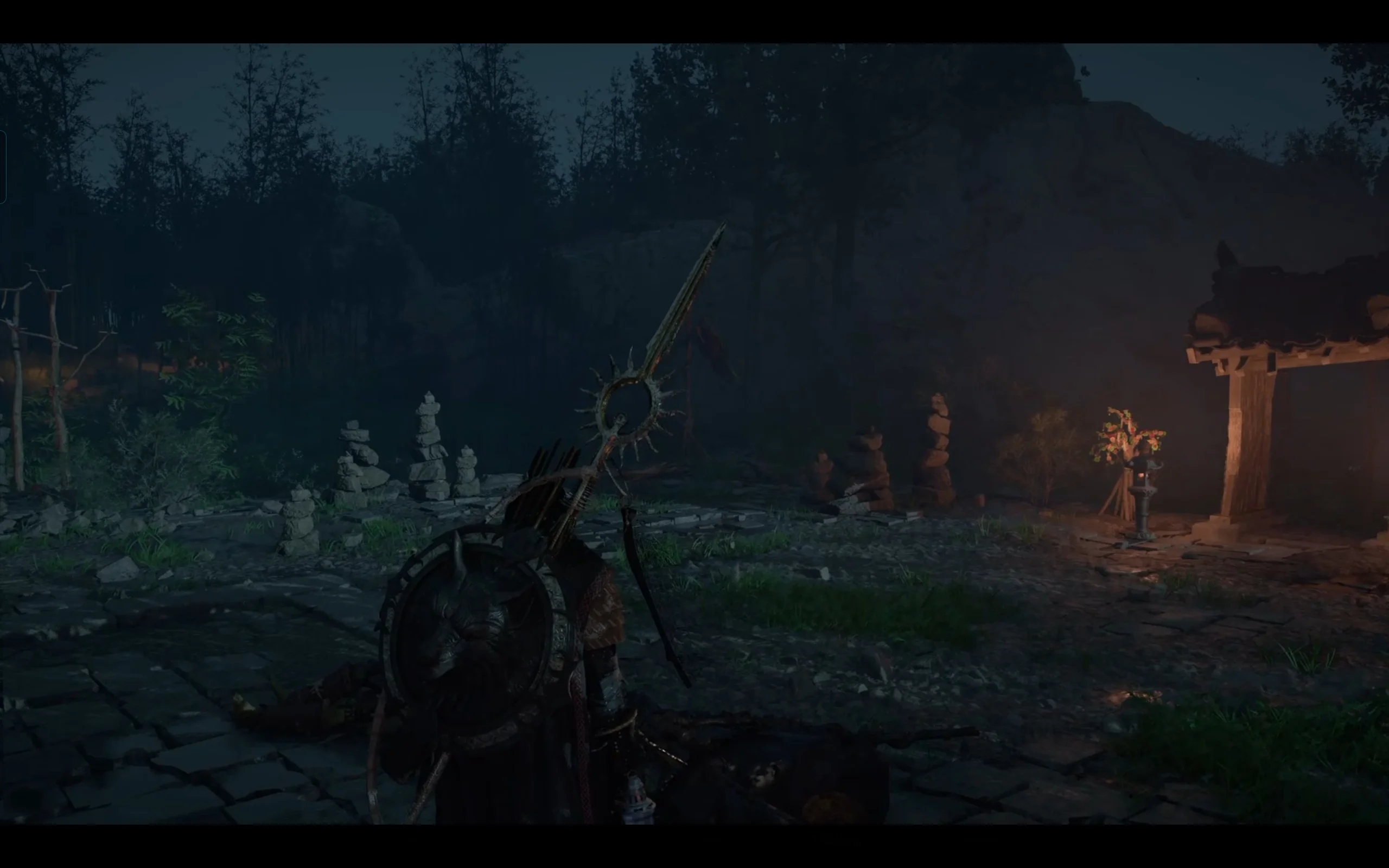 A similar issue occurred in the recent End of Abyss, where a bug prevented in-game map icons from updating when doors unlocked through story progression in another level. PlayStation update 01.014 fixed this, but reviewers had already criticised the issue, with GameSpot's official review even calling it the game's "Cardinal Sin" in its title.
These issues were genuine problems that negatively affected the experience, but they soon became outdated. The reviews accurately described the reviewers' experiences at the time, but new readers should know they were assessing earlier builds.
This information could make a huge difference when deciding whether to buy the game. A Metroidvania like End of Abyss relies heavily on the map and its mechanics. Reviews accurately present these map flaws, which could dissuade a reader from purchasing the game.
This could lead a reader to reject a purchase because they aren't aware the reviewer's issue has since been resolved. I think modern gaming reviews would benefit from addressing this potential issue and making it standard practice.
The Conditions Behind the Controller
One of my favourite games is Silent Hill f, and I remember playing it alone at 4 am, wearing headphones in a dark, quiet room. When I think back to those sessions, I remember the experience far more than the controller in my hands. For immersion-focused games, especially horror, I deliberately choose these conditions.
Some games demand your full attention, and for me, checking social media or dealing with interruptions can negatively affect the experience. As a reader, a Silent Hill review from someone who plays under the same conditions I described is probably more relevant to me than a review of the same game played in a busy office, midday, and full of interruptions or distractions.
Ultimately, neither set of conditions is inherently wrong, and both reviewers can accurately describe their experiences. However, if disclosure of these conditions were standard practice, readers would perhaps be better able to determine which review is more likely to reflect their own experience.
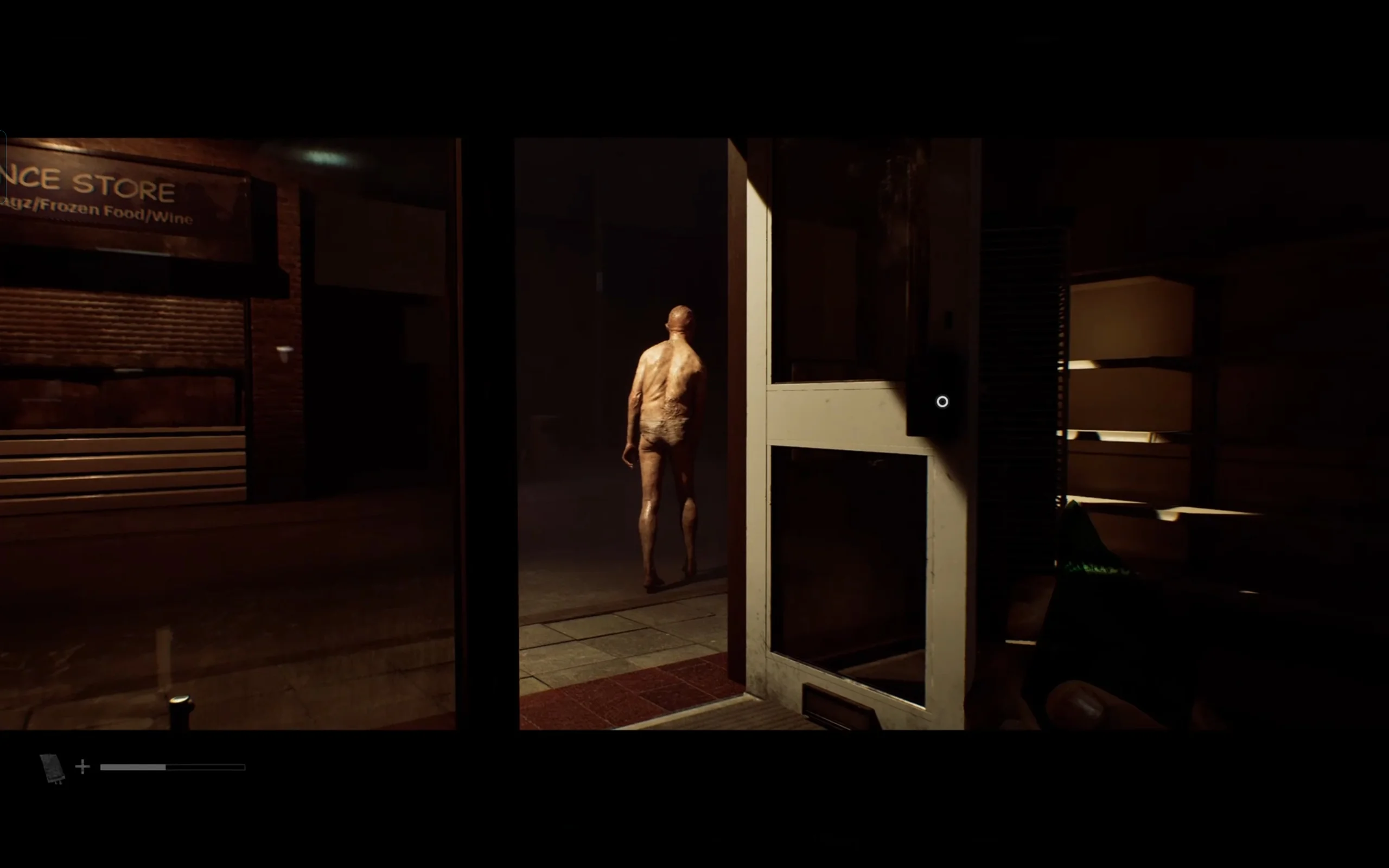 In Konami's Silent Hill Townfall, I chose the Nightmare difficulty. It appealed to me because it was the only difficulty where enemies react to your flashlight and the in-game map doesn't show your current location. In my opinion, these seemingly small mechanics made a big difference to my playstyle, as I found myself slowly creeping around dark areas, daring to risk activating my flashlight for just a second to catch a glimpse at my surroundings.
I had to pay careful attention to signage, landmarks, and my own sense of direction. I was completely immersed. Out of curiosity, I retried an area on Easy mode for comparison. Of course, it was different, as expected, but it felt almost fundamentally different. The tension and horror were greatly reduced in favour of a more action-horror experience.
Enemies and areas looked the same, but I could approach them quickly, clear enemies, and then scavenge resources. I find that many reviews don't disclose the difficulty, and in some cases, I think that detail is extremely relevant to the reader so they can decide how much a reviewer's experience will match their own.
A Review Process That Hasn't Kept Pace
As modern gaming has evolved alongside technology, I don't think the traditional review process has kept up. In the past, reviewers generally assessed a game closer to the released version, though differences between review builds and retail releases did exist. Now, it's increasingly common for development to continue effectively post-launch, potentially resulting in technical or UI changes, or even changes to game mechanics.
Large games certainly existed, but not quite on the same genre-bending scale we see now, with the potential to combine open worlds, live-service elements and seasonal content. Furthermore, I think players now experience games in more varied ways. Looking back at my previous Like a Dragon example, some games encourage slow, thorough exploration, and that is when a reviewer's playstyle and deadlines become increasingly relevant to readers.
I believe the games the review process was designed around have changed enough to warrant adjustments. A reviewer won't always experience a game the same way a reader will, and to improve the review process, we should make the circumstances around the review more transparent as standard practice.
Making Reviews More Transparent
In my opinion, a suitable way to implement this would be to add a disclosure box at the beginning of each review. This could include details such as difficulty, build version and time played. The information could vary depending on what's relevant to the game experience. A review deadline won't matter much for a short game, but it likely will for a large open-world game full of optional content.
The idea isn't to document every aspect of the reviewer's working conditions, but to highlight details relevant to how it's experienced or assessed. Reviews will always be subjective, but making the circumstances behind that subjectivity transparent would help the review process evolve alongside modern gaming.
Image: Screenshot taken by Simon Rogers from The Blood of Dawnwalker