When A Game Stops Telling You Where to Go
By removing maps and objective markers, Hell is Us changed the way I approach exploration. What I initially feared would waste my time became one of the game's most rewarding features, making me mo...
By Simon Rogers
When Hell is Us was released, the main talking point was always its no-hand-holding approach. To some people, that sounded like a great idea, but to others, a recipe for frustration. I liked the idea, but that changed when I started playing.
I only have limited gaming time, and I need to use that for meaningful progress. I loved the concept and premise, but I drew a premature conclusion: if I spent my time on this game, too much of it would be wasted on aimless wandering with no map to guide me. So, after just a few hours, I decided to abandon Hell is Us.
Fast forward six months, and I decided to give it another shot. The dark, oppressive atmosphere drew me in, and the more I played, the more I realised the lack of guidance wasn't slowing the experience down. Instead, it enhanced it.
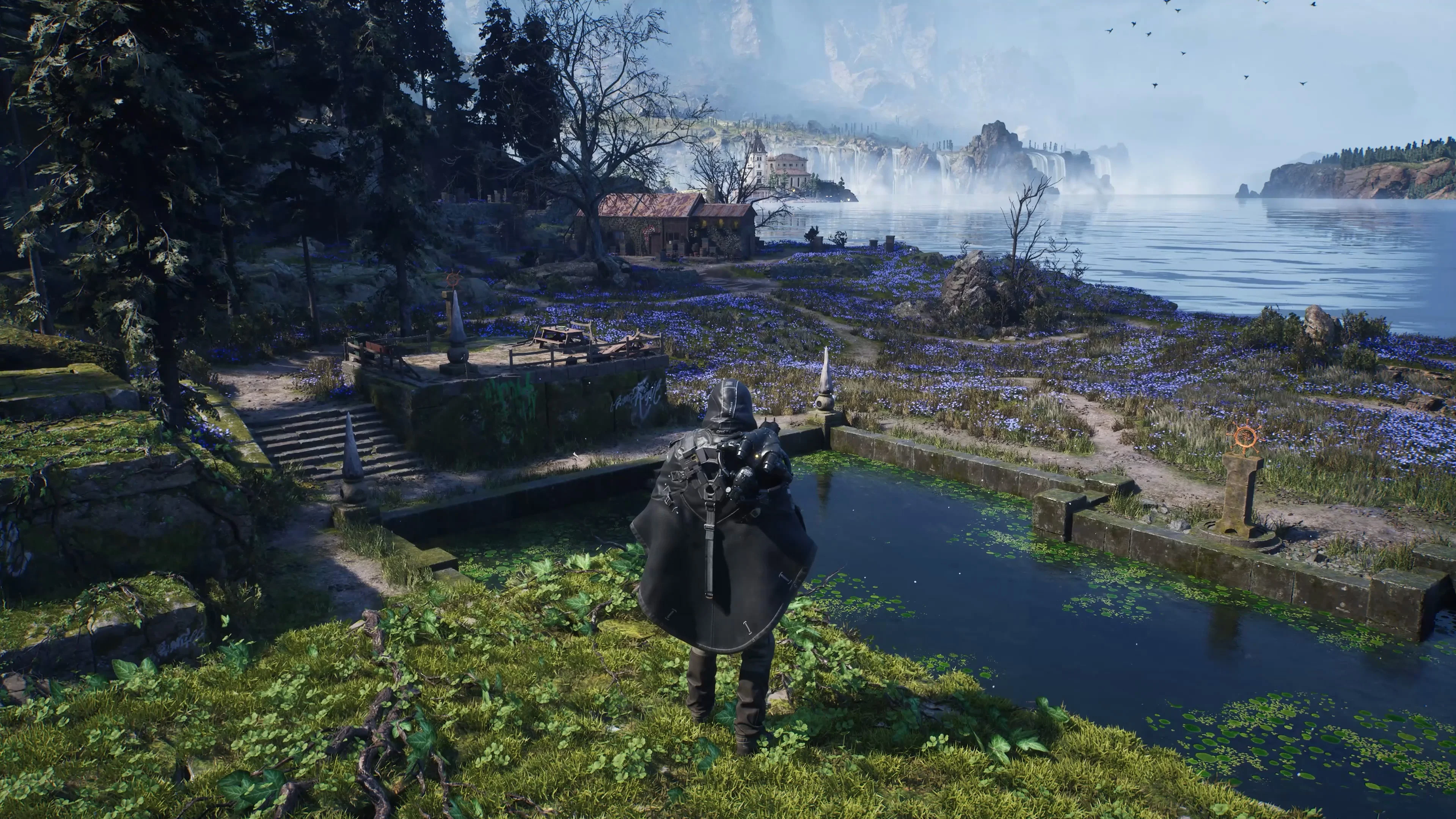
As I made my way through the bleak island of Hadea to unravel the game's central mystery, I started to realise that despite having no map, I was never lost. I was under the false impression that Hell is Us wasn't going to give me enough to work with, when in fact, it gave me just enough. If I didn't know where something was, I knew just where to look. If I didn't know where to look, I knew who to ask.
Without a map, I found myself mentally recreating one, which immersed me in the world and made me more attentive to its unique environmental details and landmarks.
Hell is Us constantly finds new reasons for players to revisit previous locations, especially if you're taking on side quests. This had me relying on my mental map, which was repeatedly tested.
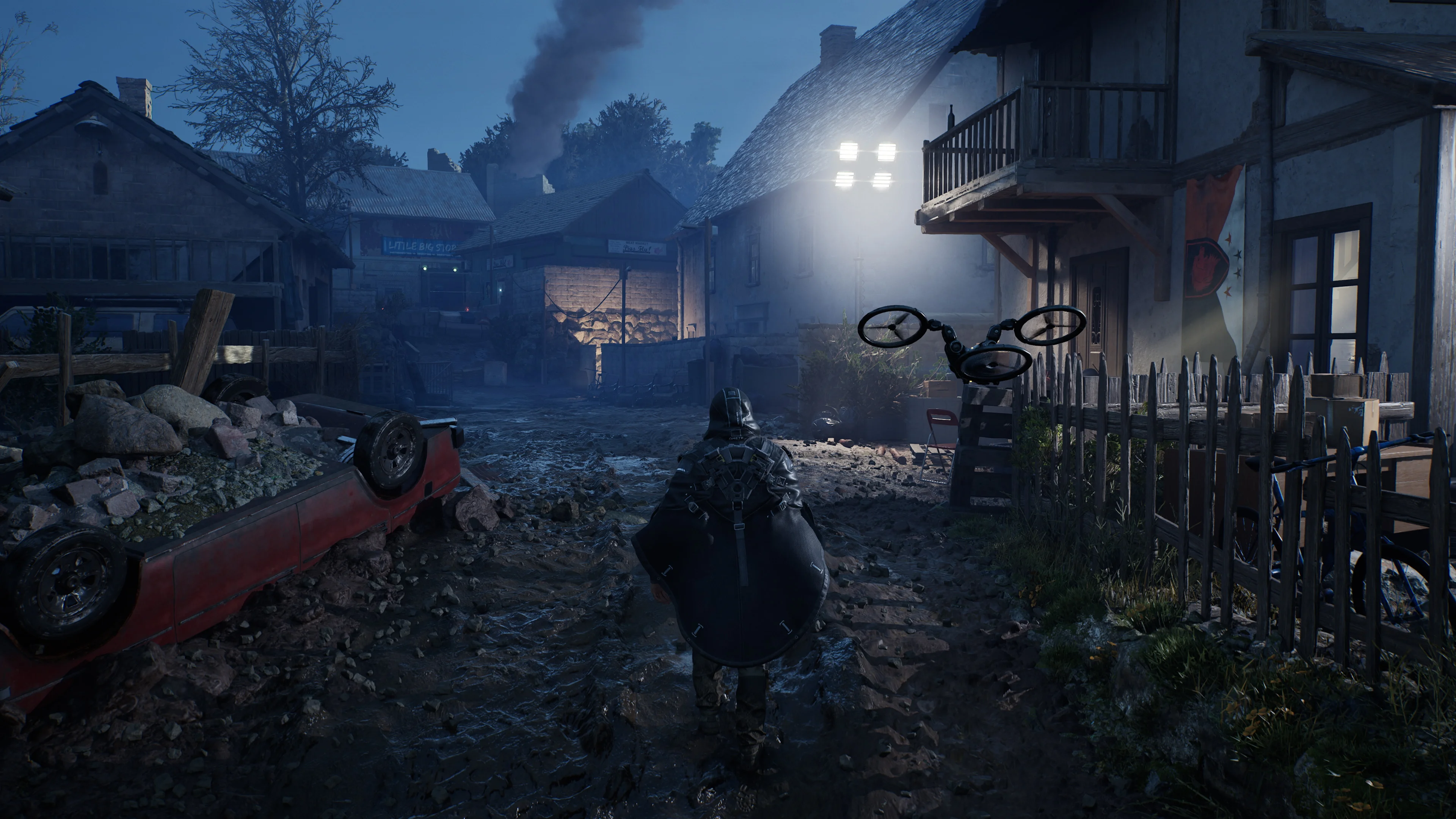
In all honesty, that wasn't easy. I couldn't realistically memorise every corner of Hadea, and I would often forget exact locations. Sometimes I would find a key item and know where it needed to go, but not how to get there.
Hell is Us required my full concentration and could even become exhausting, especially alongside the game's excellent but difficult puzzles. This made it increasingly satisfying when I started learning from the environments.
The deeper I got into the game, the more I began to recognise its locations and landmarks, almost as if I was developing a personal connection to them, like navigating an old hometown from vague recollections.
I also began to adapt my attention to the world. As a fairly quick reader, I often find myself reading subtitles and skipping small amounts of dialogue, even in my favourite games.

With Hell is Us, I had to take a different approach, making sure not to skip any dialogue at all and instead listening to it word for word. I knew that if I missed any information, I wouldn't have an objective marker to clarify things.
If I found a key item or document, I knew I had to examine it carefully because no notification would pop up to tell me what it related to. I felt the game encouraged this because I was regularly rewarded for connecting information to the relevant area or character.
I love the 1990s setting, and Hadea feels appropriately bleak. I immediately felt its powerful atmosphere, so I can't attribute that solely to its lack of navigational guidance.
What I can say with certainty is that it enhanced the experience by making exploration feel more personal. It let me soak in that atmosphere as I slowly unfurled each area, noticing small environmental details I might have completely missed in a different game.
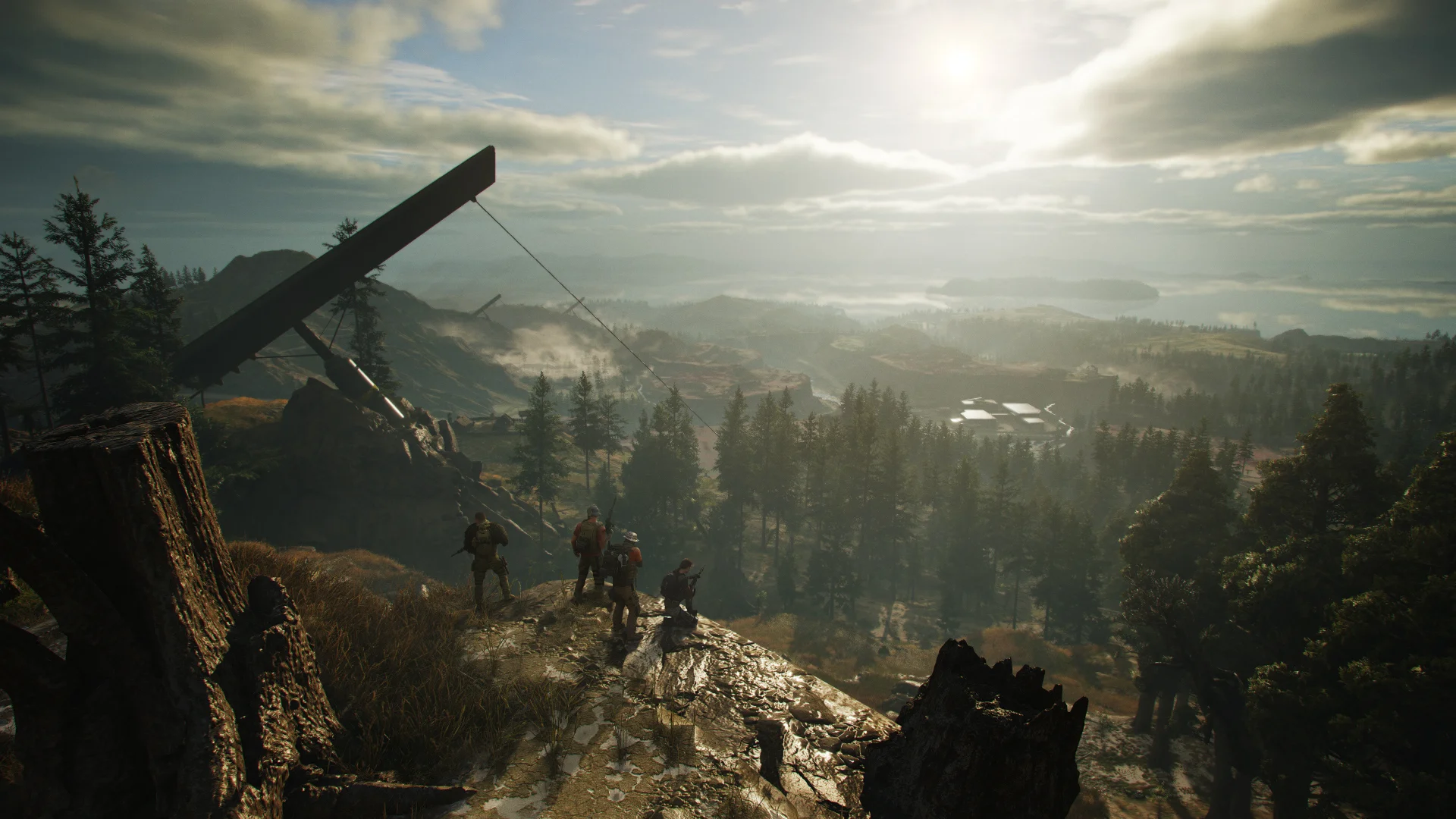
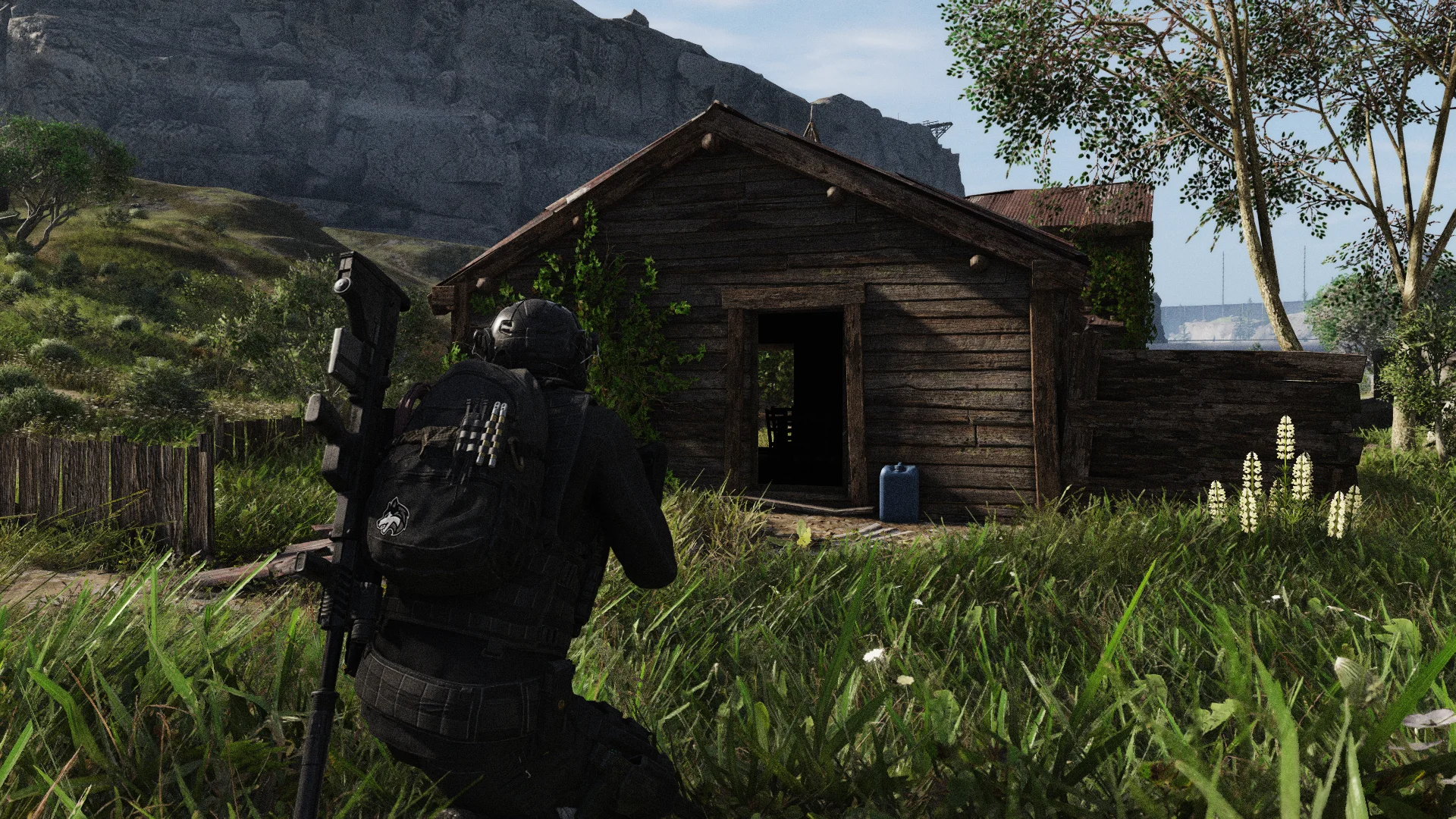
This wasn't the first time I'd been drawn to unconventional guidance. 2019's Ghost Recon: Breakpoint offered an Exploration Mode that reduced objective markers to improve immersion and gave you a map with clues to interpret when searching for your next objective.
I'd already enjoyed this approach, so I should have been more open to the way Hell is Us handled exploration than I initially was. While Breakpoint successfully introduced me to this philosophy, Hell is Us took it further by removing the map altogether, showing me just how rewarding exploration can be when a game trusts you to make your own connections and find your way forward.
After completing Hell is Us, I often find myself immediately looking for reduced guidance options in other games. While I previously assumed maps and markers were always useful, I now recognise that directing your attention in a particular way can sometimes take something away from the experience by removing an element of discovery.
In Marvel's Wolverine, I even found that excessive guidance, such as smell lines, made the experience less rewarding. After I finally corrected my mistake of abandoning Hell is Us, I realised the gameplay design I feared would waste my time was actually one of the main reasons I found the experience so memorable.
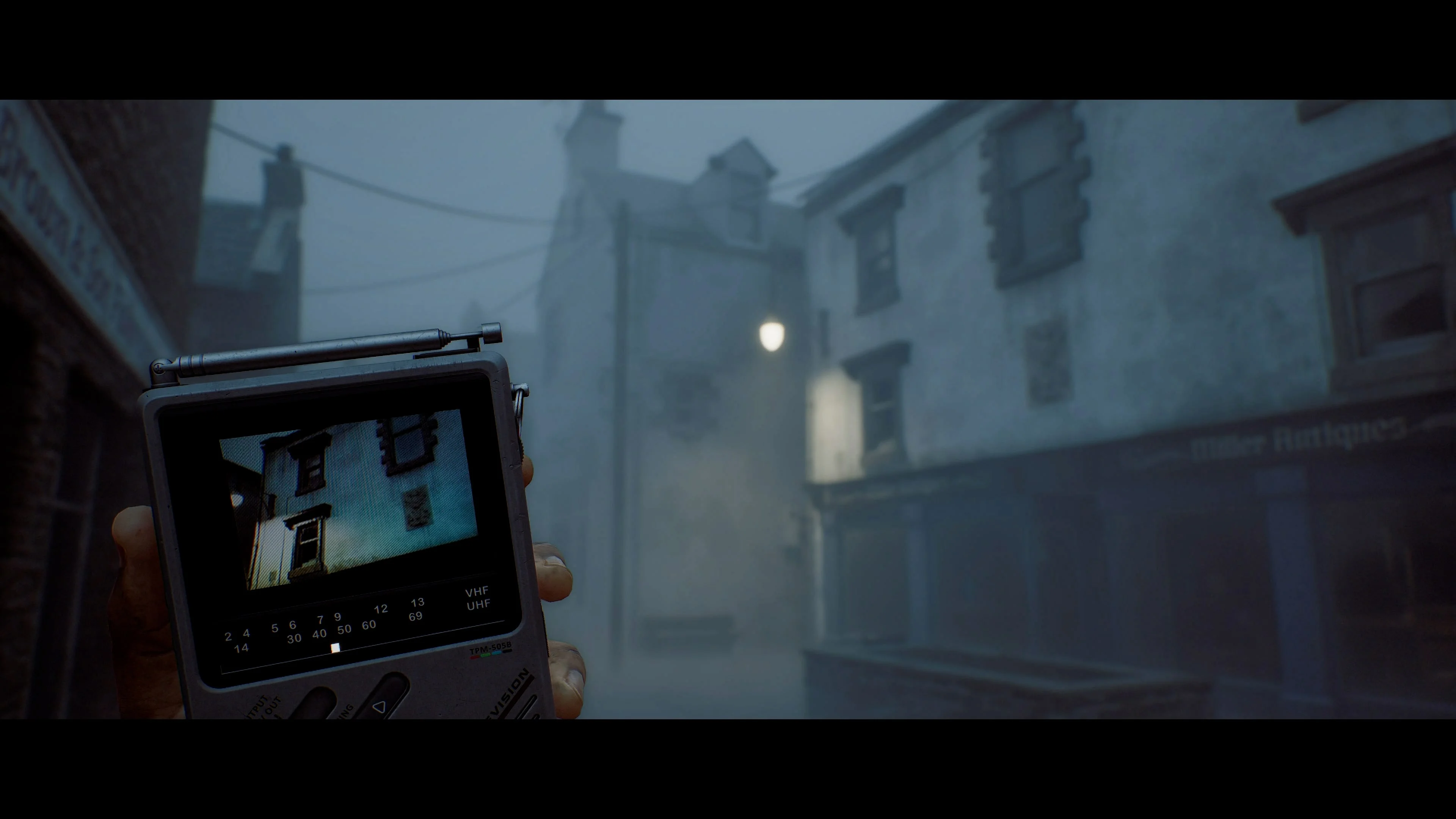
While plenty of games still need or benefit from traditional guidance, I'm now always willing to try a less guided approach when the option is available. I'm surprised by how often I enjoy it, even as recently as Silent Hill: Townfall, where the hardest difficulty removes the player's location from the map and instead trusts them to use street or room names to find their bearings.
This made the game even more challenging and immersive, and honestly, I loved that. Next time you are considering abandoning a game, I challenge you to challenge yourself and give it a go.
Image: Credit: Hell is Us / Nacon / Rogue Factor