When a Small Game Leaves a Big Impression
Playing TANUKI: Pon's Summer changed my assumptions about open-world games, showing me that a smaller setting can be every bit as absorbing as the vast world...
By Simon Rogers
When a Small World Feels Just as Big
While big open-world games are often labelled generic, I've always been drawn to them. I love having huge environments to explore and plenty of side activities to discover. Not for the gameplay itself, but because I find it a reliable way to immerse myself in the game's world.
For a long time, I assumed the map's size and realism were crucial to this formula. Then I played TANUKI: Pon's Summer and found myself enjoying a much smaller world that was every bit as immersive.
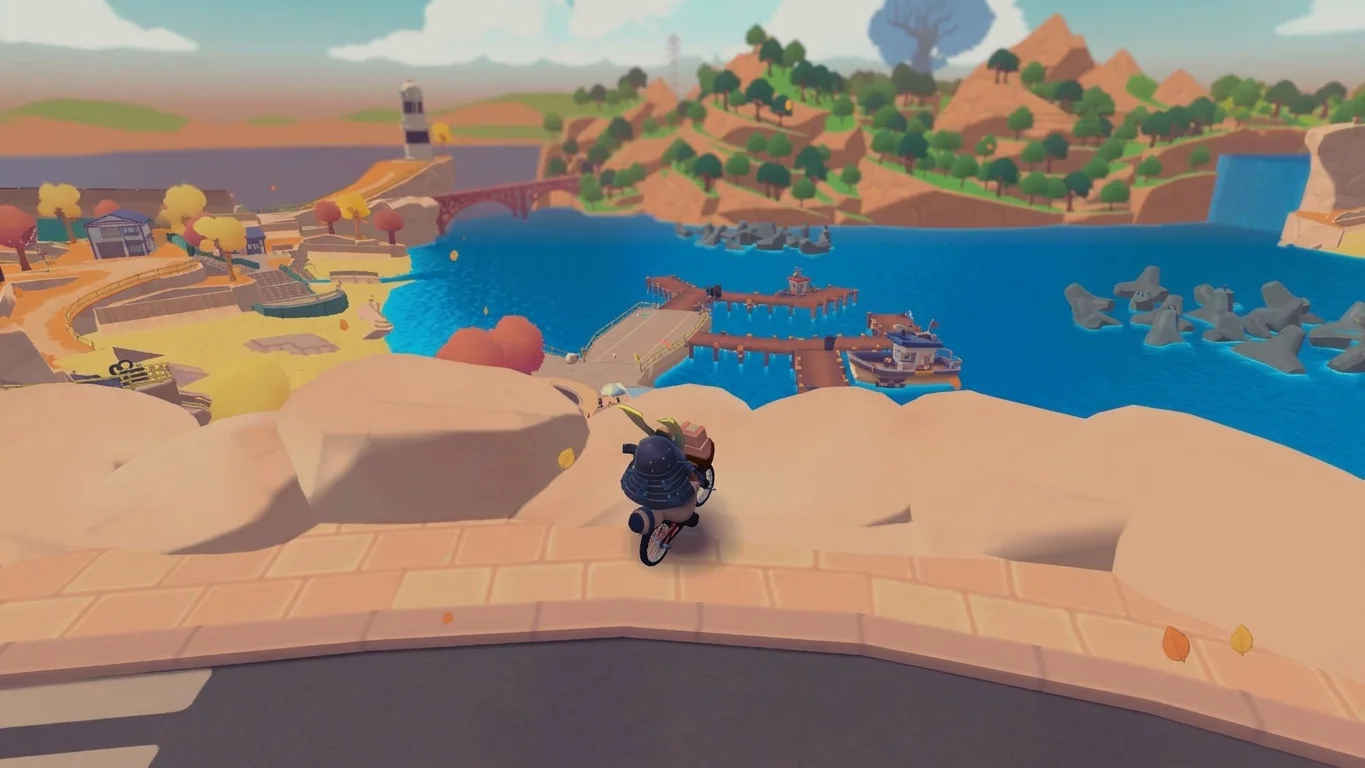
Riding around this world full of Japanese charm felt fun almost immediately. Heading to objectives was fast, smooth, and satisfying. BMX challenges are scattered across the map, letting you take them on between journeys.
I found myself only taking on challenges that seemed fun and avoiding the ones that didn't. While that may sound like standard practice, it isn't for me. In open-world games, I usually feel obligated to take on any challenge or side content I come across, no matter how appealing it is, and I keep retrying failed attempts until I succeed.
In TANUKI: Pon's Summer, I could walk away and enjoy the rest of the content without fearing I'd miss something important, and that realisation felt truly refreshing.
When Everyday Becomes an Adventure
In TANUKI, you are tasked with raising the money to fix a shrine before an upcoming festival, so you take on a job as a postal worker. You begin a daily routine of waking up, leaving your home, and heading to the post office to collect the day's workload. You then spend the day delivering these parcels and return home when you're done.
The game sticks with this routine, and I embraced how natural it began to feel. My favourite game is Death Stranding, and I've always loved how it turned basic deliveries into an epic journey with apocalyptic stakes.
TANUKI contrasts with this, making it feel like a small but enjoyable everyday job, and it brought its own appeal by giving me something I didn't even know I was looking for: a regular purpose I could look forward to each time I played.
In open worlds, I often feel the need to scope out the entire map pretty early on. Like my attitude toward side content, I often feel obligated to do this for fear of missing something that could make a difference to my playthrough.
TANUKI had me save exploration for my deliveries, letting them gradually introduce me to the world in a way that didn't disrupt the flow of the game. This relaxed approach was one I wouldn't have considered before, but I found it unexpectedly immersive and satisfying.
When Immersion Doesn't Need Realism
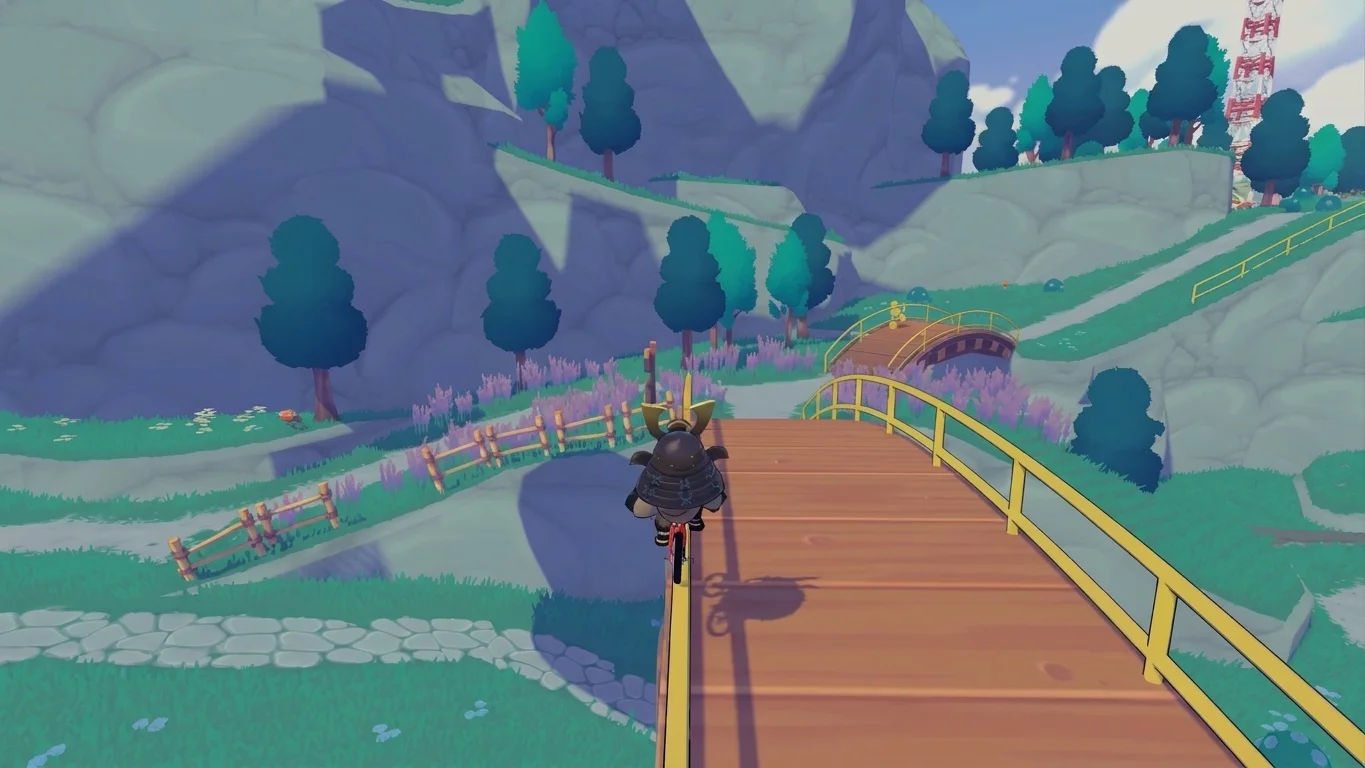
The Japanese setting in TANUKI: Pon's Summer works so well. Its excellent soundtrack syncs perfectly with the environments and characters that inhabit its world.
Each song has a calm, Japanese-instrumentation version alongside a rock-infused one, and whether you're on or off your BMX determines which one plays. Combining this with the colourful Japanese environments, I began to feel like I belonged in its world.
I still love big, realistic open worlds, and that isn't going to change for me, but TANUKI changed my understanding of how players can be absorbed in a game. It helped me recognise that size and realism aren't essential for immersion.
A game doesn't always need a huge world to leave a lasting impression. TANUKI: Pon's Summer showed me that what makes a world worth being pulled into isn't necessarily how big or epic it is, but how much fun you have being there.
Image: Tanuki: Pon's Summer