When You Don't Know What a Game Will Become
What makes a game memorable beyond its mechanics? Looking back at Death Stranding and comparing it with its sequel, I explore how unpredictable storytelling and unexpected structural changes can tu...
By Simon Rogers
Spoiler warning: This article discusses major story developments and late-game revelations in Death Stranding and Death Stranding 2.
When Expectations Begin to Form
My favourite game of all time is Death Stranding. I loved so many mechanics and moments, but I couldn't quite explain one aspect. I think Death Stranding 2 has more refined gameplay, and its story follows a more consistent pace. As great as it is, though, something was still missing. I didn't realise what that was at the time, and it wasn't until I finished the game that I looked back at Death Stranding and identified what it could have been.
Even before release, Death Stranding was shrouded in mystery. The limited footage made it look like a delivery hiking simulator, and its originality piqued my interest. Upon release, I loved the delivery and traversal mechanics on their own merits and was already won over by its premise. That was enough for me, but something in the back of my mind suggested the game might be hiding something much bigger than what I was seeing.
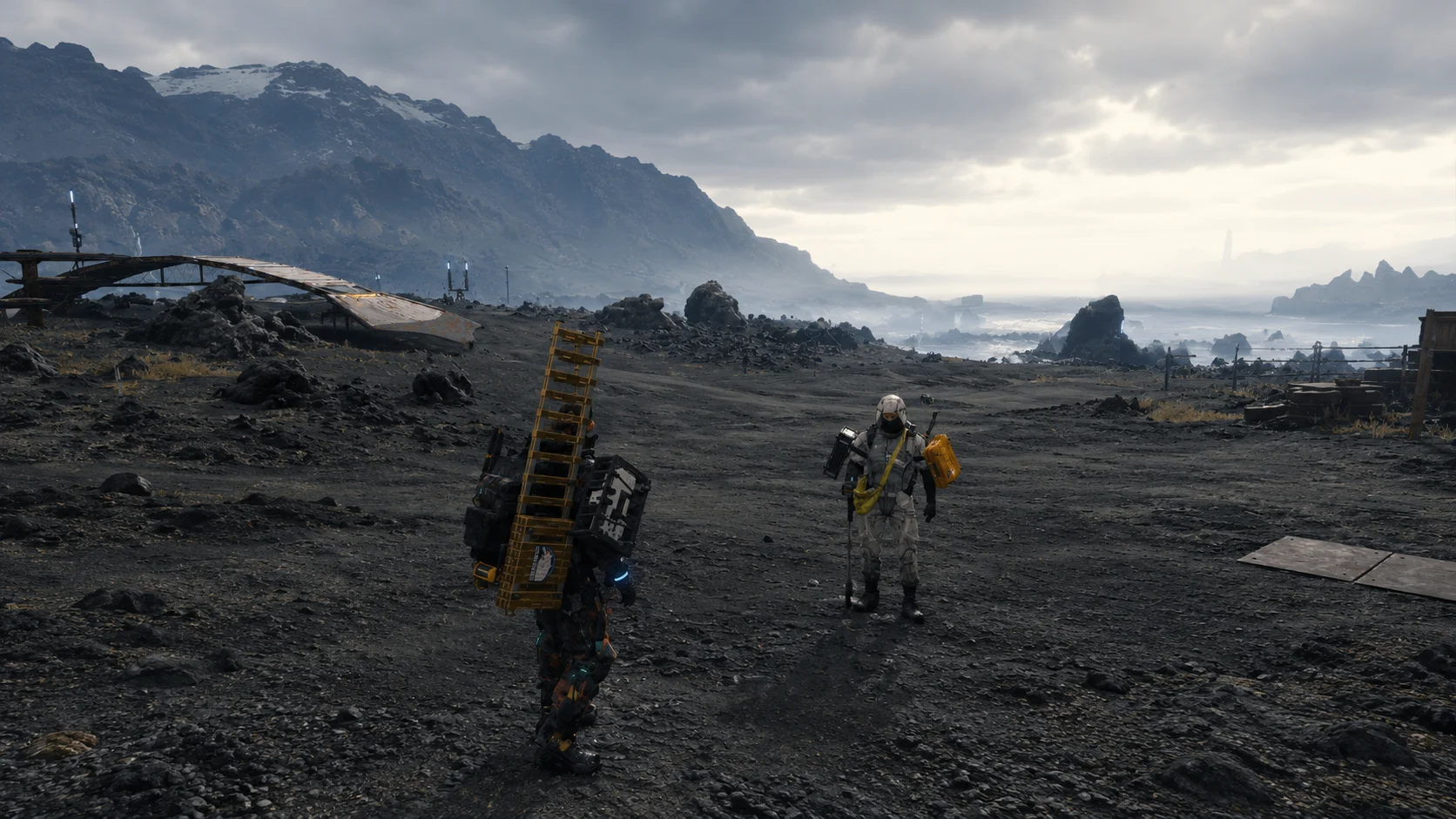
The infamously long Chapter 3 is the game's longest chapter by far. If you chose to, you could easily spend over 20 hours here alone, as it familiarises you with the core gameplay loop of delivering cargo and connecting preppers through a mix of optional and mandatory missions. It also toyed with my expectations, as I began to doubt my earlier suspicions and wonder whether Chapter 3 was most of the experience, aside from a slightly more action-oriented conclusion.
When the Game Changes Direction
This is when Death Stranding transitioned from interesting to completely unpredictable. In a moment I'll never forget, the game takes you from a quiet, Iceland-inspired backdrop to a chaotic, war-torn battlefield, commanded by Clifford Unger (played by the excellent Mads Mikkelsen).
After that encounter, I realised how unpredictable the game had become and that I had no idea where it was headed. I couldn't rely on the familiarity established in Chapter 3, and I couldn't find a way to tie the various story elements together definitively. This wasn't frustrating or weak storytelling; it was perfectly suited to the experience. From this point on, I knew the game could toy with my structural expectations, and this filled me with anticipation for what was coming next.
As I started what seemed to be the final act, I realised how much the game had escalated from the hiking delivery simulator I started with, as I arrived at the huge, multi-boss finale. Once I defeated Higgs, whom I thought was the primary antagonist, I assumed the journey was pretty much over. That's when my expectations were subverted again, and I was thrown back into the world of Death Stranding, forced to backtrack across the entire landscape.
When the Journey Doesn't End
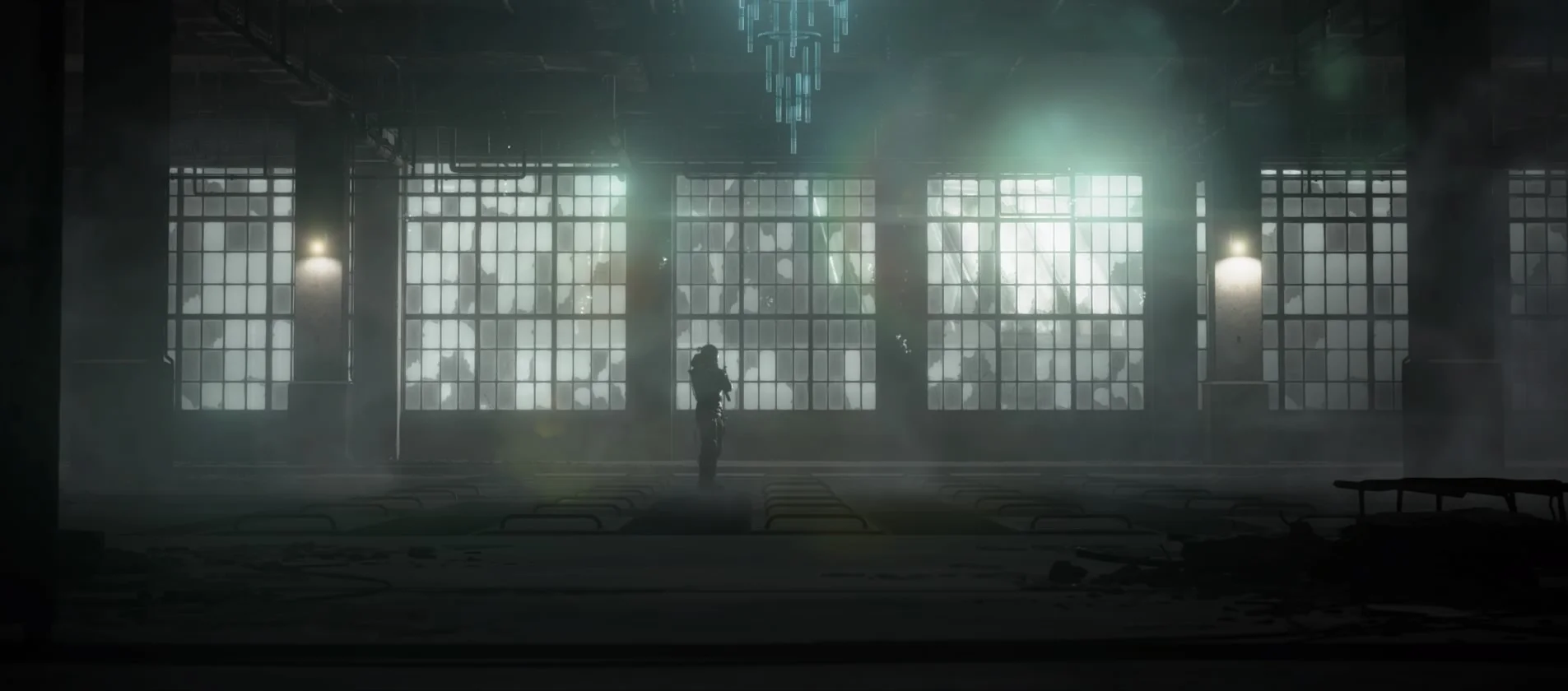
In what I thought to be the final stretch of Sam's journey, I knew Cliff's story needed to be resolved. The event's timing remained unpredictable, and I was pulled into a final encounter with him mid-journey. Cliff's connection to Sam finally becomes clear, but by the time his full story is explained in the closing moments of Death Stranding, it isn't a simple reveal. It's a turning point that completely recontextualises who he is.
I reached what I thought was the game's ending several times, but I was even more impressed when Death Stranding pulled one last trick up its sleeve. The game's final order has Sam make a journey parallel to one of his first, as he heads for the incinerator. This time, however, you have no map or navigational aid. Remarkably, you soon realise that you naturally remember the landscape well enough to find your way there.
The gameplay was over, but the story wasn't. After the final delivery, the game reveals that the BB in the flashbacks was always Sam, the son Cliff was pursuing. The game encouraged me to make the wrong assumption, and on my second playthrough, I was impressed to learn I had overlooked a contradiction at the very beginning.
Sam's flashbacks are presented in a way that makes you naturally associate them with BB, but the first time we ever see one of these memories, Sam isn't even connected to BB's pod. That contradiction had gone unnoticed because I didn't have the context to understand its significance, so it only became meaningful in retrospect.
When a Better Game is Less Memorable
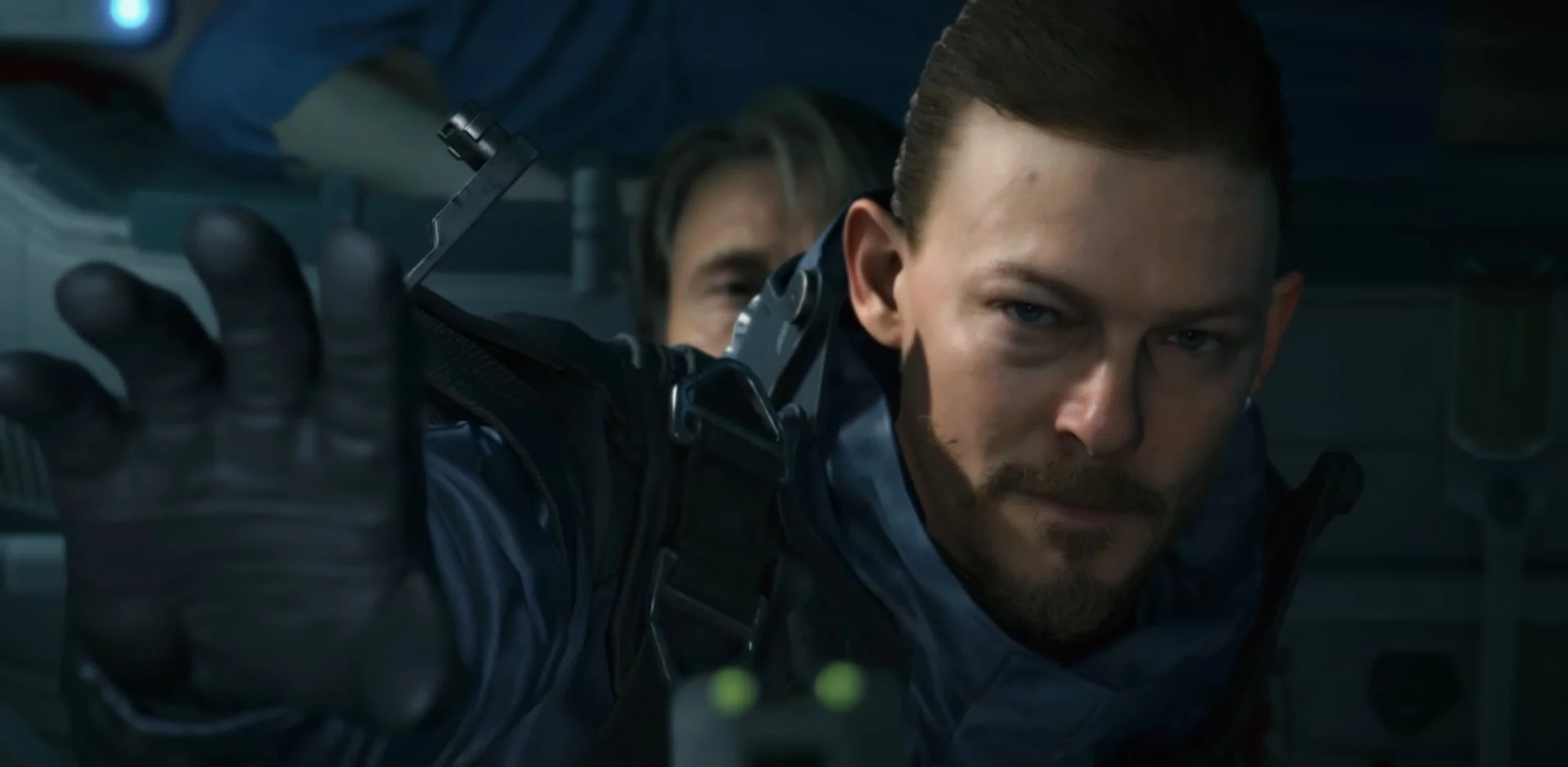
In terms of gameplay and pacing, Death Stranding 2 could easily be considered a better game. For me, however, it was missing a crucial part of my experience of the original. While the sequel delivered its story beats and escalations more consistently, it lacked the original's more unpredictable structure. Although these improvements made for a more refined game, they didn't necessarily make for a more memorable experience overall.
Death Stranding 2 had a few moments that broke my expectations, such as the introduction and timing of mech boss fights, and the satisfying final push across the bridge leading to Higgs's seemingly abrupt death. Unfortunately, that consistency made me grow accustomed to the story's progression, and by the final stretch, I was already familiar with the structure of Neil Vana's nightmare sequences, Higgs's final confrontation, a return journey, and an epilogue.
Death Stranding 2 made me realise that a better game doesn't always make a better, more memorable experience. The original is special to me because it didn't need improved mechanics or gameplay to be memorable. I enjoyed it because of the uncertainty and the structure that kept surprising me, changing my understanding of the journey and how much of it remained.
Image: Death Stranding (PS4)